The terms “gas fireplace” and “fireplace insert” are often used interchangeably, but they refer to two different products designed for different situations. Understanding the distinction helps you choose the right option for your Las Vegas home and avoid costly mistakes during installation.
Gas Fireplaces: Built for New Construction
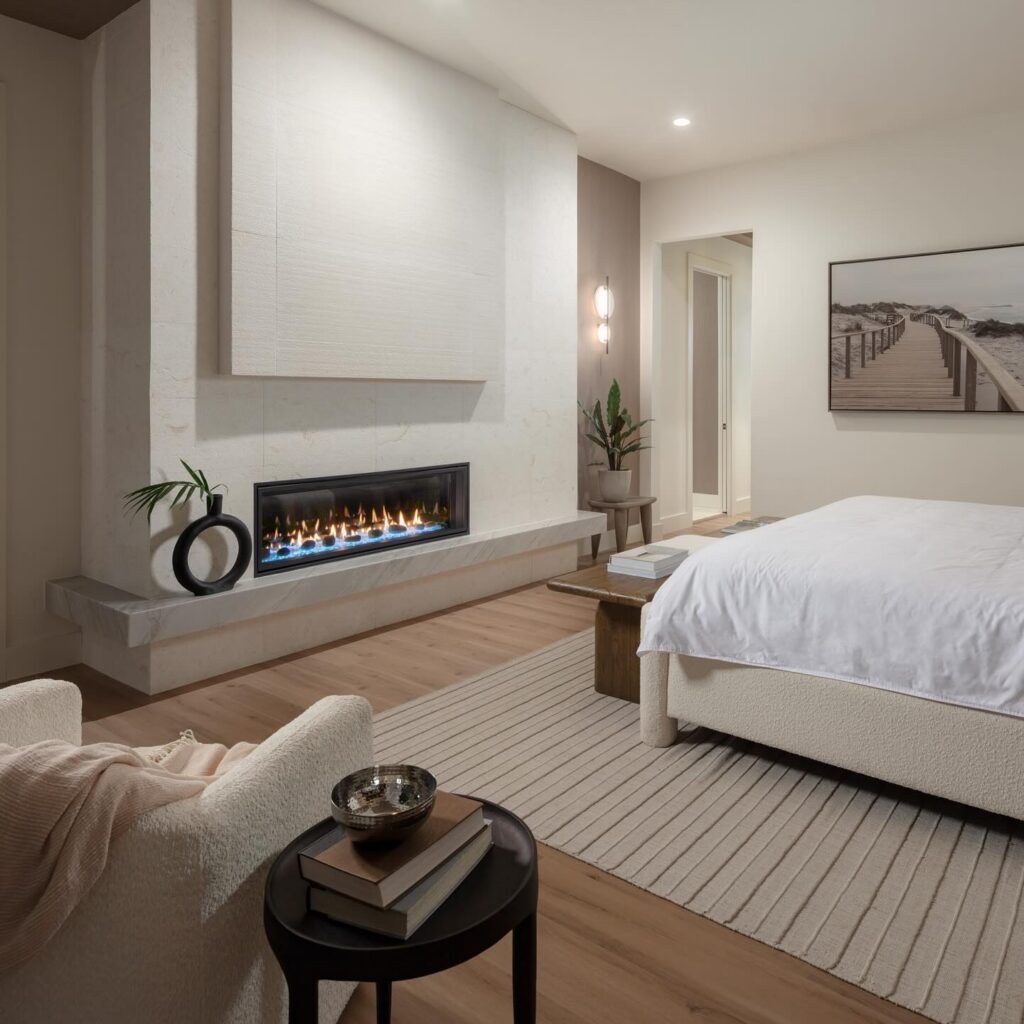
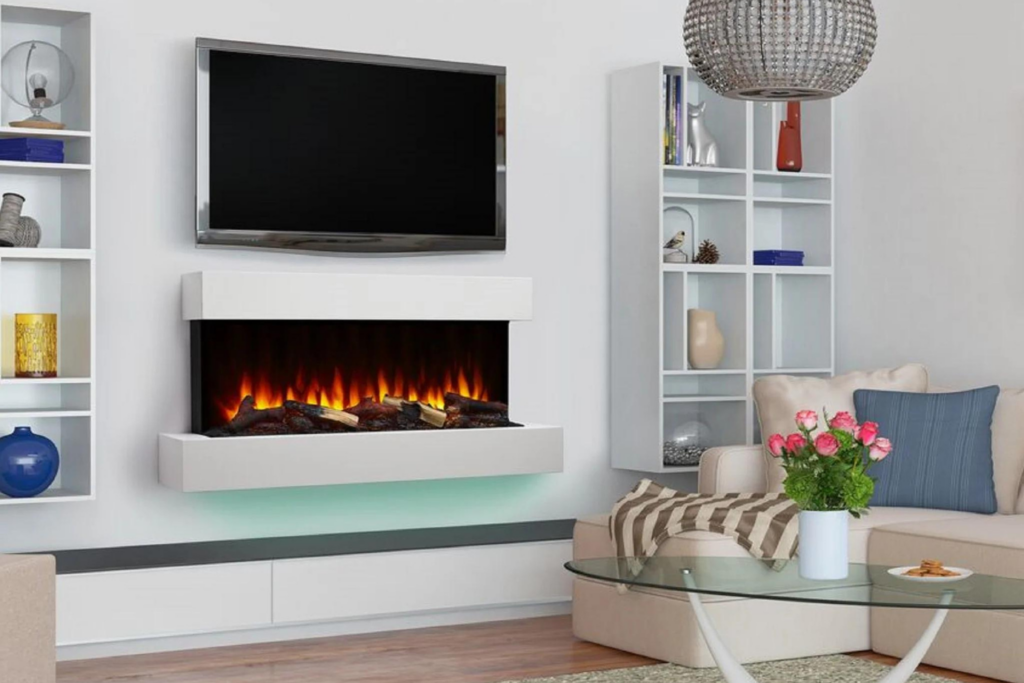
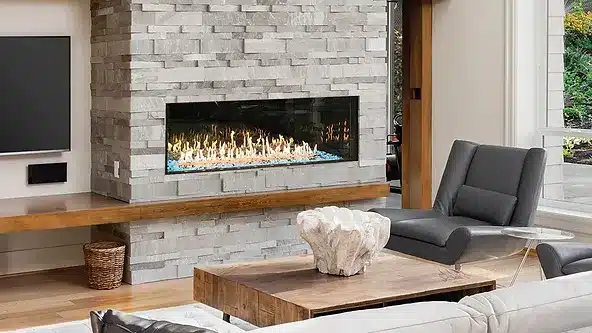
A gas fireplace is a self-contained unit that is framed into a wall during new construction or a major remodel. It includes its own firebox, burner system, glass front, and venting. The unit does not require an existing masonry fireplace or chimney. Instead, it is vented through a coaxial pipe that runs horizontally through an exterior wall or vertically through the roof.
Gas fireplaces are the go-to choice when you are building a new home, adding a fireplace to a room that has never had one, or doing a large-scale renovation. They come in a wide range of styles, from modern linear designs to traditional models with realistic log sets.
Fireplace Inserts: Built for Retrofitting
A fireplace insert is designed to slide into an existing masonry fireplace opening. If your Las Vegas home was built with a wood-burning fireplace and you want to convert it to gas, an insert is typically the right solution. The insert fits inside the existing firebox and connects to a liner that runs up through your existing chimney.
Inserts are purpose-built for retrofit situations. They seal off the old, inefficient masonry firebox and replace it with a modern, efficient gas appliance. The result is dramatically better heating performance and a cleaner appearance.
Cost Comparison
In general, a fireplace insert costs less to install than a full gas fireplace because much of the structure is already in place. You are not framing a new opening, running new vent pipe through the wall, or finishing new drywall around the unit. However, insert installation does require a chimney liner, which adds to the cost if one is not already present.
A new gas fireplace in new construction typically involves framing, drywall, gas plumbing, electrical work, and vent pipe installation. The total cost is higher, but you have complete freedom in placement and design since you are not limited to an existing chimney location.
Efficiency
Both gas fireplaces and inserts are far more efficient than open wood-burning fireplaces. Most modern units operate in the 70 to 85 percent efficiency range. A wood-burning fireplace, by comparison, typically operates below 15 percent efficiency because most of the heat goes up the chimney. Whether you choose a gas fireplace or an insert, you will see a significant improvement in how well the unit heats your room.
Installation Requirements
- Gas fireplace: Requires wall framing, vent pipe routing, gas line connection, and electrical for ignition and blower. Best suited for new builds and major remodels.
- Fireplace insert: Requires an existing masonry fireplace opening, a chimney liner, gas line connection, and electrical. Best suited for converting an existing wood-burning fireplace.
Which One Is Right for You?
If you already have a masonry fireplace and want to upgrade to gas, an insert is the most practical and cost-effective path. If you are building new or adding a fireplace where none exists, a gas fireplace gives you the most design flexibility. Either way, the team at Hearth and Home Specialties can walk you through the options and recommend the best fit. Call (702) 474-4099 or visit our Las Vegas showroom.