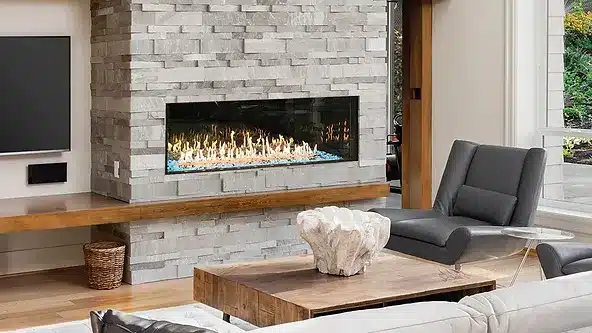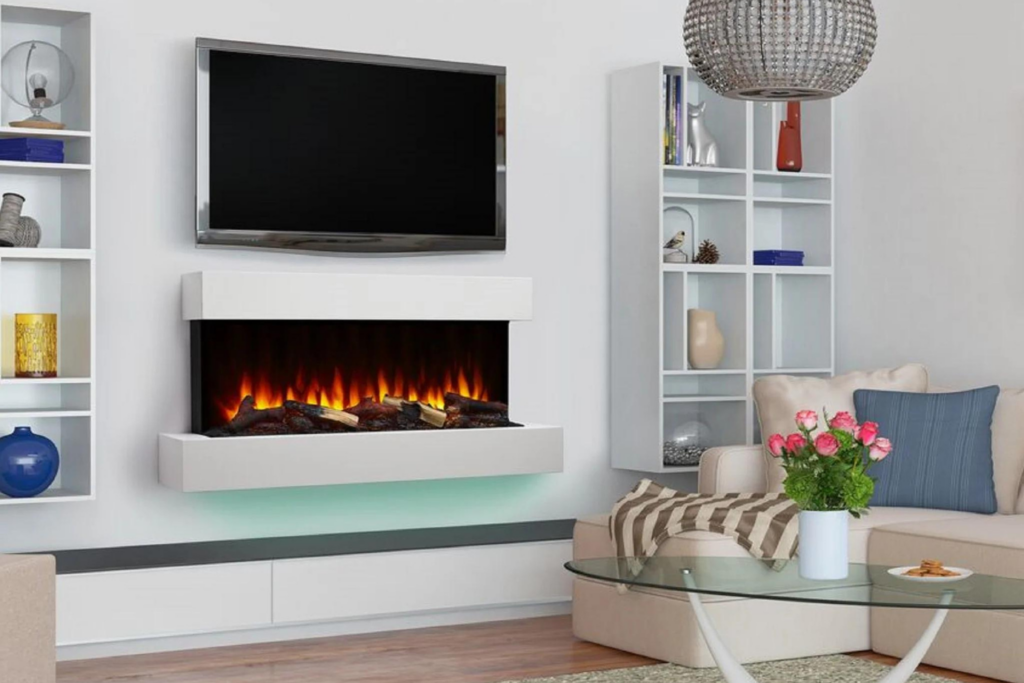
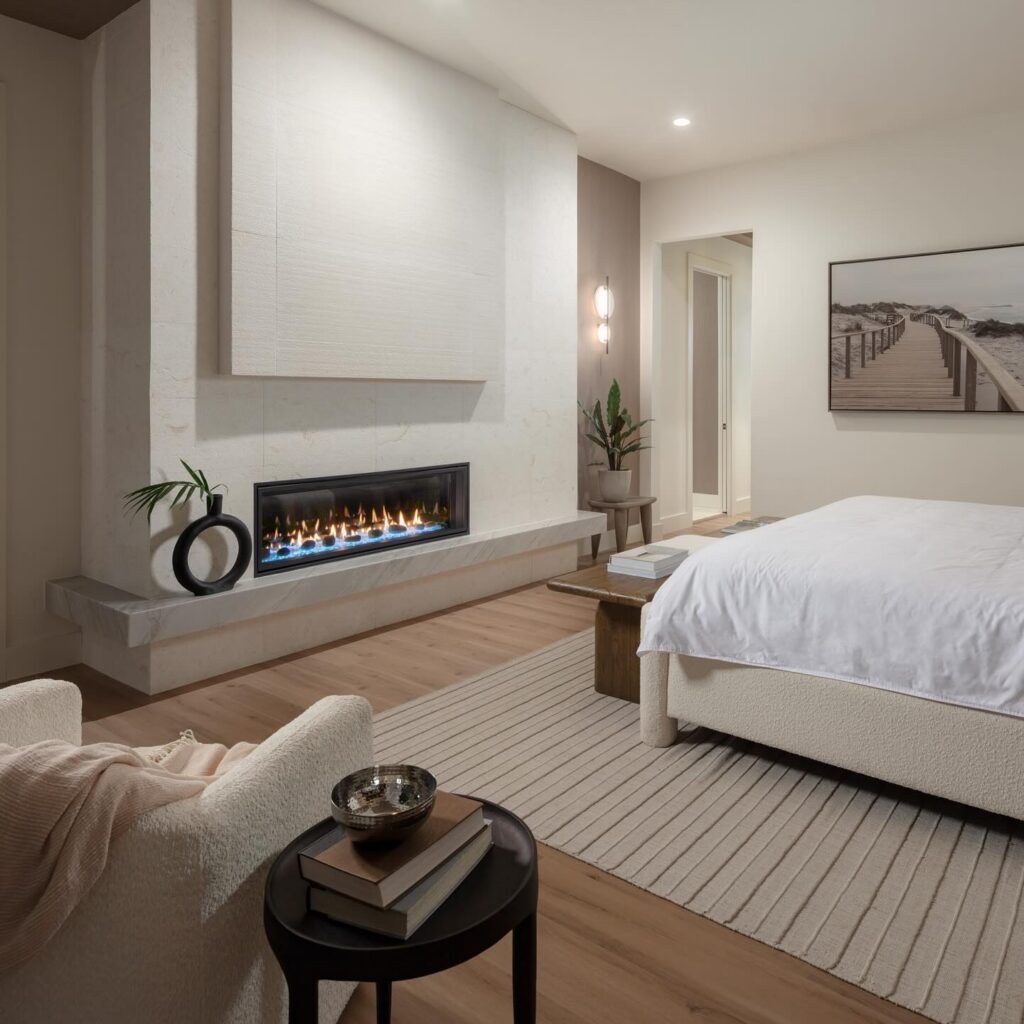
Choosing between a gas fireplace and an electric fireplace is one of the most common decisions Las Vegas homeowners face when upgrading their living space. Both options bring warmth and ambiance to your home, but they differ in cost, installation requirements, maintenance, and overall performance. Here is a side-by-side breakdown to help you decide which type fits your needs.
Installation and Setup
Gas fireplaces require a natural gas or propane line, along with proper venting to the exterior of your home. Installation typically involves hiring a licensed technician and may include running new gas lines, adding venting through a wall or roof, and meeting local building codes. In Las Vegas, permits are usually required for gas fireplace installations.
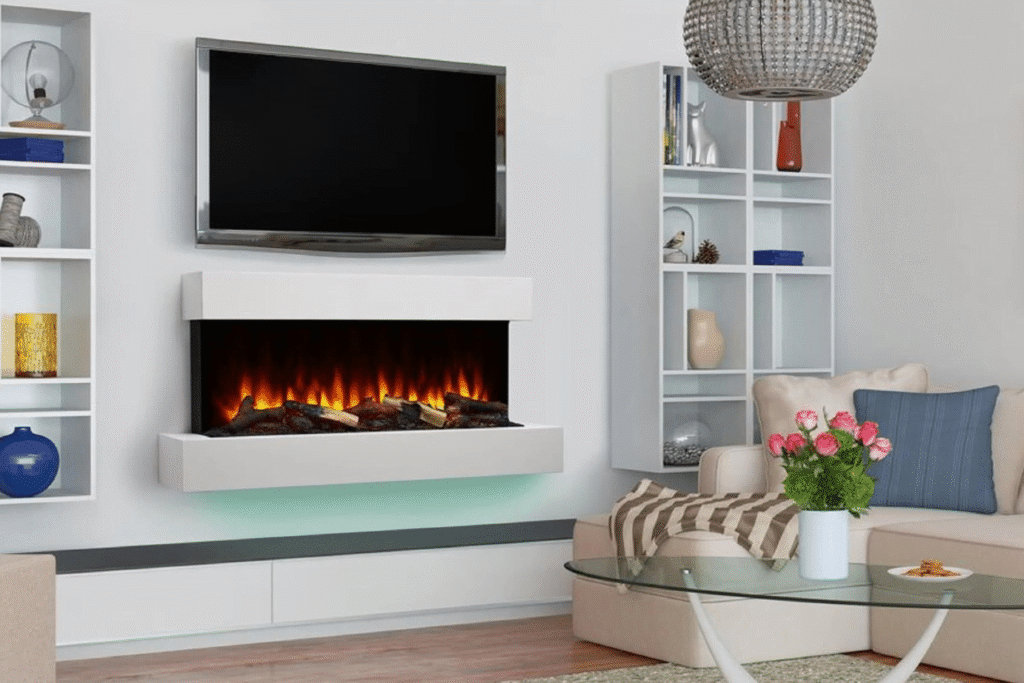
Electric fireplaces, on the other hand, need only a standard 120-volt outlet. Many models can be plugged in and operating within minutes. Wall-mounted units, built-in models, and fireplace inserts are all available, and none require venting. This makes electric fireplaces a strong choice for condos, apartments, and rooms without existing chimneys.
Cost Comparison
Upfront, electric fireplaces are significantly less expensive. Entry-level models start around $300, while mid-range options with realistic flame effects typically run $800 to $2,000. Gas fireplaces carry a higher price tag, with units starting near $2,000 and installation costs adding another $1,500 to $4,000 depending on the complexity of the project.
Operating costs depend on how often you use the fireplace. Natural gas rates in Southern Nevada are relatively affordable, so running a gas fireplace for supplemental heating can be cost-effective. Electric fireplaces draw between 1,200 and 1,500 watts, which translates to roughly 15 to 20 cents per hour at local electricity rates.
Heat Output
Gas fireplaces produce real heat, typically between 20,000 and 40,000 BTUs depending on the model. They can warm a large living room or open floor plan. Electric fireplaces generate heat through a built-in blower and typically max out around 5,000 BTUs, enough to warm a single room of about 400 square feet.
In the Las Vegas climate, where winter temperatures rarely drop below freezing, both types provide adequate supplemental heat. If your primary goal is to take the chill off during December and January evenings, an electric model may be all you need.
Ambiance and Flame Quality
Gas fireplaces produce a real flame, which many homeowners prefer for the authentic look and feel. Newer gas models feature detailed log sets, glowing embers, and adjustable flame heights. Electric fireplaces have made significant progress with LED flame technology, and brands like SimpliFire and Dimplex offer impressively realistic effects. Still, a real gas flame is hard to replicate.
Maintenance
Gas fireplaces should be inspected annually by a certified technician to check the burner, pilot assembly, and venting system. Electric fireplaces require very little maintenance. Occasional dusting and replacing LED bulbs every few years is usually all that is needed.
Which Should You Choose?
If you want strong heat output, a real flame, and are willing to invest in professional installation, a gas fireplace is the better fit. If you want an affordable, low-maintenance option with flexible placement and no venting requirements, electric is the way to go. Many Las Vegas homeowners end up installing both: a gas fireplace in the main living area and electric units in bedrooms or bonus rooms.
Visit our showroom on West Post Road in Las Vegas to see gas and electric models from Heat N Glo, SimpliFire, Dimplex, and more. Our team can help you choose the right fireplace for your home and budget.